
Several months ago, I unveiled my House of Governance™ framework during a webinar hosted by Ed Rigsbee, CSP, CAE. During the Q&A portion, Ed asked me about one of the domains of the House: Culture, Candor & Accountability.
The question was really more like a challenge.
“How do you maintain a positive culture on a board when board members rotate in and out every year?”
Ed raised a great question, and it is one nonprofit and association CEOs have been wrestling with for as long as our business model has been around.
My response to Ed was that it begins with the recruitment process.
Now, you might be thinking, what does the culture of the board have to do with the recruitment process of your membership?
The answer is everything.
Culture in an organization, if done correctly, does not exist only at the board level. It does not exist only at the staff level. It should permeate throughout the organization from the moment a member joins until that same member eventually becomes one of your illustrious past presidents.
From the moment someone joins an association, they need to feel like there is a place for them to connect and engage. There are the obvious things, like attending meetings, posting in the online community, contributing to the PAC, or participating in events. But at the heart of every nonprofit organization are volunteers.
As a new member, they need to have an immediate sense of where they can plug in.
And once that member gets involved, the same culture that steered them toward serving should also introduce them to leadership. That leadership pathway may eventually lead them to board service and perhaps even to leading the organization.
In ASAE’s research report, A Holistic Approach to Association Volunteer Management, two factors were identified as essential to successful volunteer management: culture and infrastructure.
First, associations need a true culture of volunteerism, one that is embraced by both members and staff and supported with the resources, clarity, and authority needed to make volunteer involvement work well. Second, associations need a transparent volunteer system that does not leave engagement to chance. That means thinking intentionally about how volunteer roles are designed, how people are recruited and selected, how they are oriented and trained, how they are managed, how their work is assessed, and how they are recognized.
Culture creates the expectation that volunteerism matters.
Infrastructure makes sure it actually works.
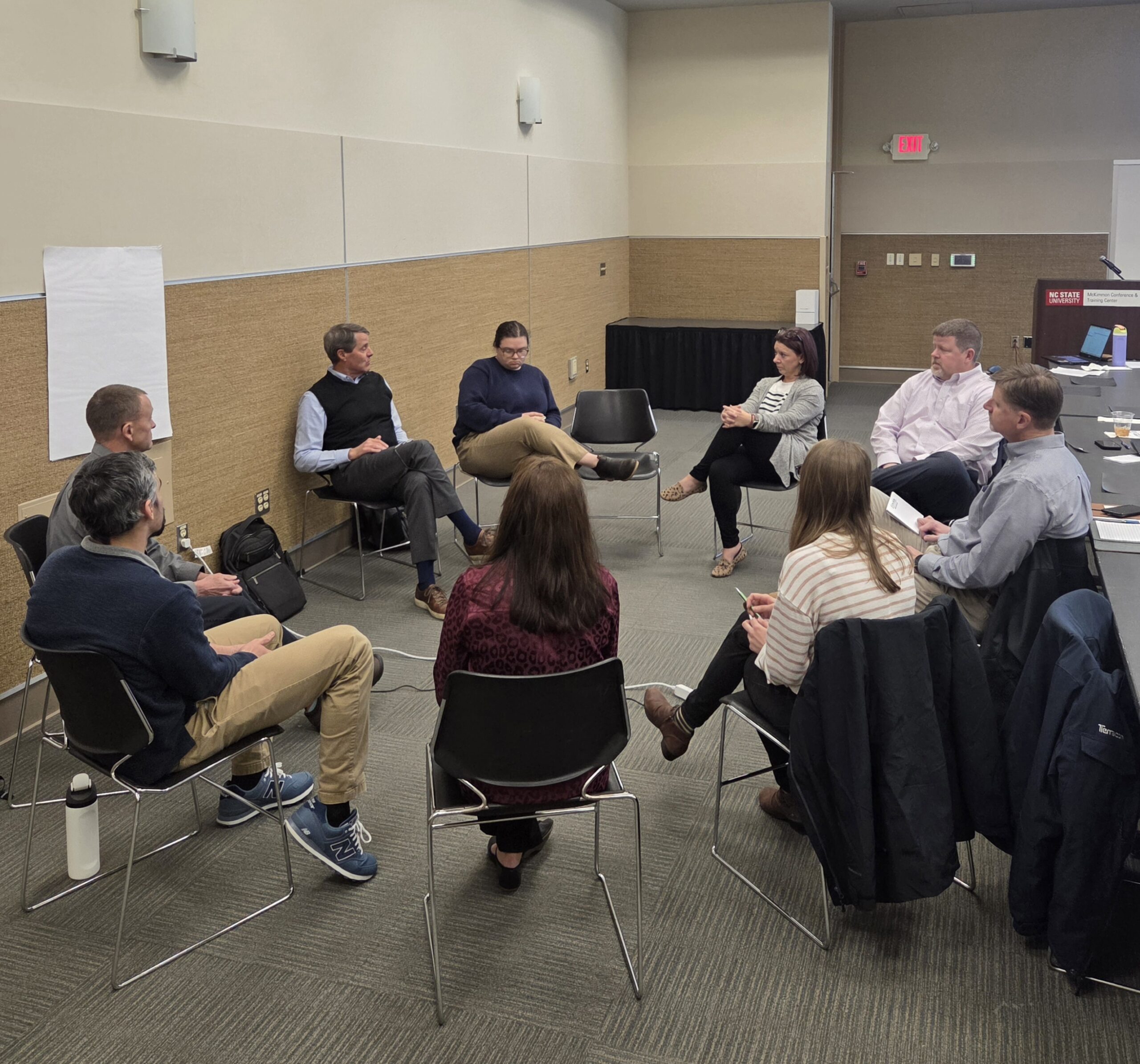
A recent CEO Roundtable I facilitated reinforced this point. When executives talked about where board flare-ups begin, the same themes kept surfacing: unclear roles, weak onboarding, uneven engagement, blurred boundaries, poor chair leadership, and boards that tolerate behavior they know is not healthy.
What stood out to me is that most of those issues do not begin in the boardroom.
They begin much earlier in the member and volunteer experience.
From the moment someone joins the association to the moment they eventually roll off the board as past president, culture is shaping what they believe leadership looks like. If expectations are unclear, accountability is inconsistent, and volunteer roles are treated as tasks instead of leadership development, the board eventually inherits those gaps.
That is why governance culture has to be built intentionally.
It starts with clear expectations before someone joins the board. It continues through recruitment, onboarding, orientation, chair development, self-assessment, regular check-ins, and board norms that help leaders disagree well.
Culture is not just what an organization says it values.
Culture is what it recruits for, trains for, rewards, corrects, and refuses to tolerate.
If associations want fewer flare-ups and fewer raging fires, they cannot wait until the boardroom is already filled with smoke.
They have to build a culture that prevents the fire from starting in the first place.
Leave a Reply
You must be logged in to post a comment.